
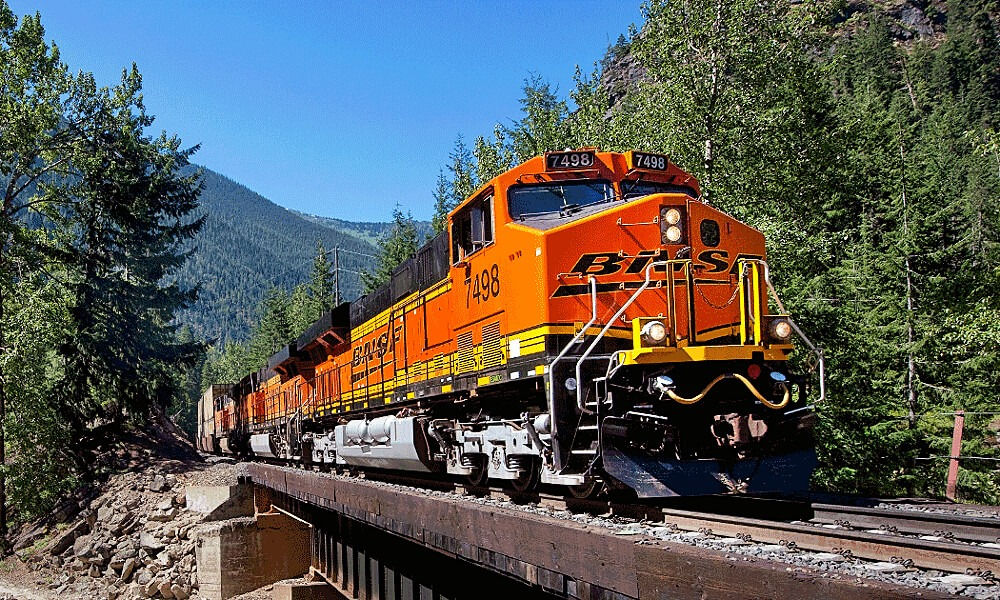
We can cover all points of origin and destination within the U.S. and Canada.
Choose the best option for a railcar or consult us for advice.
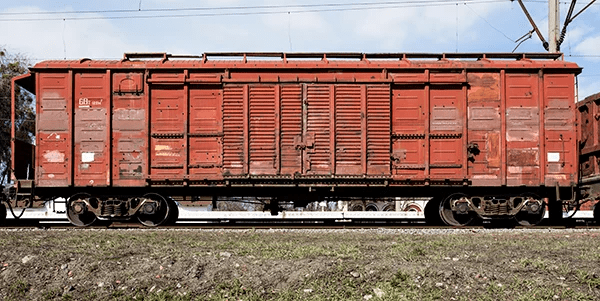
Making their debut in the 1830s, boxcars are the oldest type of rail car. They make up the majority of many trains, making them easily recognizable. As their name suggests, boxcars are similar to a box. They are rectangular in shape and enclosed with a solid roof and sliding side doors, making them ideal for transporting anything requiring protection from the weather. Boxcars range in size from 50 to 60 feet long and are a minimum of 9 feet wide. This design makes them easy to load and unload pallets and other bulk items. Some of the items transported by boxcars include, but are not limited to, packaged goods, auto parts, paper reams, canned goods, and bagged products.
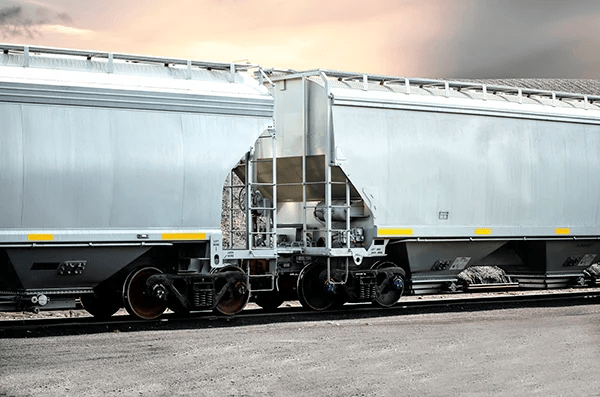
Hopper cars are divided into two categories: covered and open top. Appropriately named, covered hopper cars have an air-tight roof while open-top hopper cars do not. Before hopper cars, bulk commodities were transported in boxcars. While this method worked, the use of hopper cars simplifies the loading and unloading process. Hopper cars are loaded from the top and then gravity works to unload the commodities using the opening in the bottom of the rail car.
Bulk commodities unaffected by weather, such as coal, sand, and wood chips, are transported by open-top hopper cars. Sugar, rice, corn, and other dry commodities are transported by covered hoppers to eliminate exposure to the elements. Fun fact: One covered hopper car can carry enough grain to bake 258,000 loaves of bread!
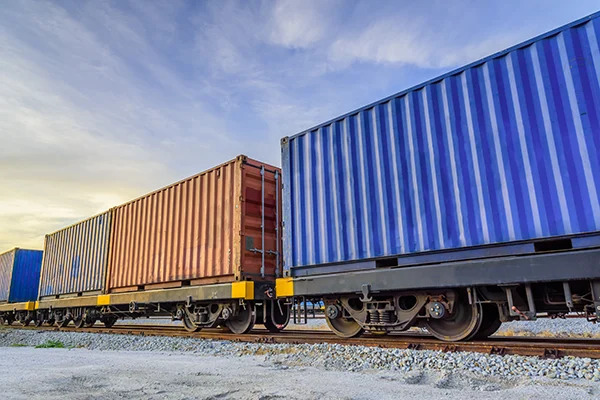
While their name is self-explanatory, and they don’t sound special, flatcars play an important role in railroad history. They were the first type of rail car used by the railroad industry. The simple, open-deck design made of wood or steel has not changed over time. Flatcars are designed to transport unusually large, long, or irregularly shaped freight. They are frequently utilized in intermodal transportation. Some flatcars have center beams or other tie-down points for increased stabilization. Military equipment, construction machinery, farm equipment, wind turbines, and railroad ties are all transported on flatcars.
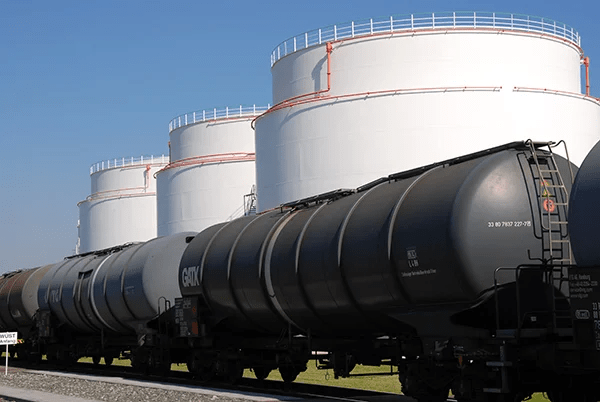
Tank cars, or tankers, were first used in the U.S. during the Pennsylvania oil rush in 1865. Today, they carry all types of liquids and gases. The long, cylindrical tubes have a valve on top for loading and a drain on the bottom for unloading. There are two types of tank cars: pressurized and non-pressurized.
Pressurized tank cars transport compressed gasses such as chlorine and anhydrous ammonia. They are built with thicker steel and extra head protection. The Association of American Railroads requires the tank cars to have a heavy steel plate, known as a head shield, installed on the rear of the tank car as an added safety precaution in case of impact or derailment.
From food products to chemicals, non-pressurized tankers transport a variety of liquids. The cars are designed specifically for the commodity being shipped and can be lined with steel, glass, plastic, or another compatible material.
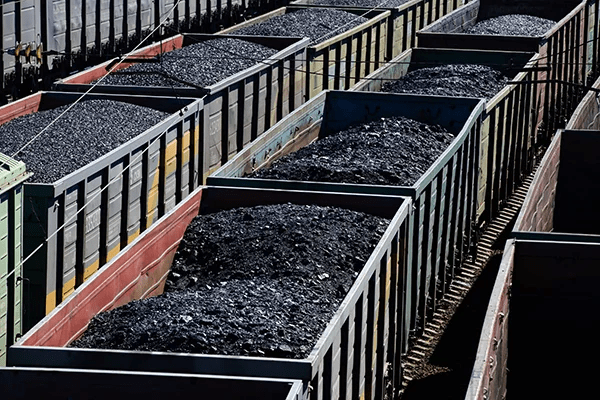
A gondola may elicit images of a peaceful boat ride down a canal in Italy, but gondolas are also a type of rail car used in freight shipping. Gondolas are open-top rail cars with low sides, ideal for carrying high-density bulk cargo. There are no side or bottom release doors, making them different from hopper cars. The cargo transported by gondolas is manually loaded and unloaded from the top using a crane, backhoe, or magnet, depending on the materials being shipped. Gondolas transport an assortment of rugged commodities used in manufacturing and construction, including scrap metal, gravel, and steel.
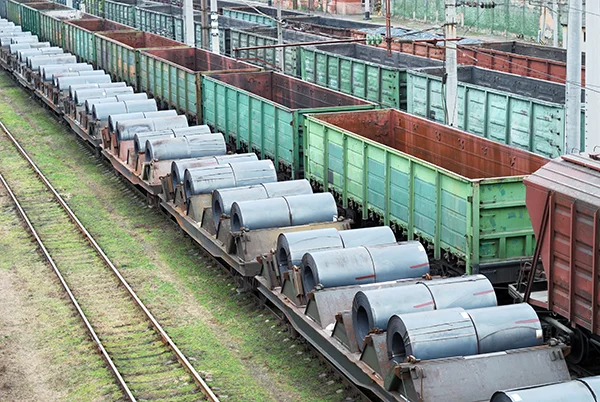
Coil Cars
Although we may not give it much consideration, coiled steel plays a vital role in our everyday lives. From the appliances in our homes to the cars we drive, coiled steel keeps the world moving. This important commodity is transported by a specially designed rail car called a coil car.
Coil cars have troughs with compartments to securely accommodate coils of different materials and sizes. The steel or copper is loaded and unloaded from the top with a crane or forklift. One coil car can carry up to 200,000 pounds, providing a safe and efficient method of freight shipping.
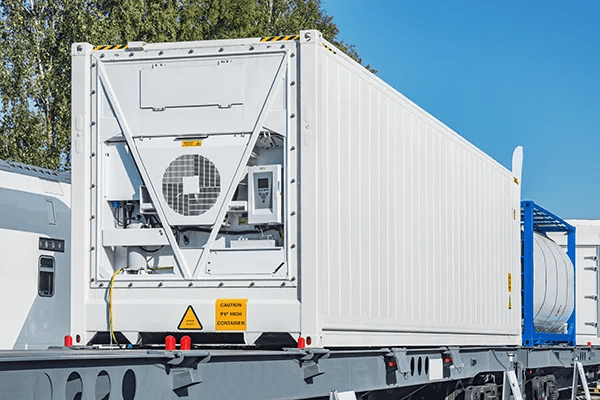
Refrigerator Cars
Although they look like boxcars, refrigerator cars are different in one obvious way. Refrigerator cars are climate-controlled to maintain optimal temperature while transporting perishable items. Dairy products, fruit, vegetables, beer, and meat are all shipped on refrigerated rail cars. According to the Association of American Railroads, approximately 1.6 million carloads of food products are shipped by railroad annually.
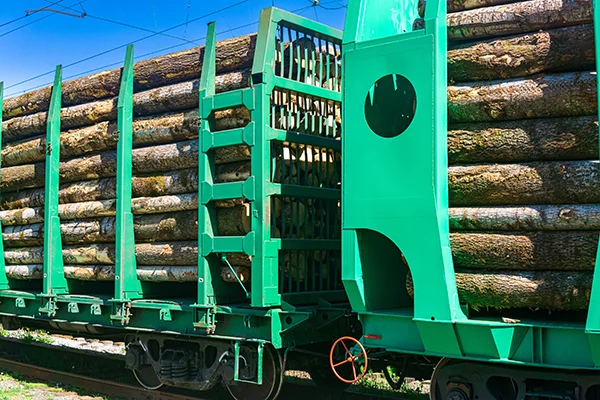
Specialty Cars
When cargo doesn’t fit or work well with any of the rail cars mentioned above, a specialty car is used. There are a wide variety of specialty rail cars used to ship diverse items.
- Autoracks: Finished vehicles
- Centerbeams: Bundled goods like lumber and fence posts
- Well Car: Intermodal containers that stack and transport apparel, electronics, and more
 OCG Logistics